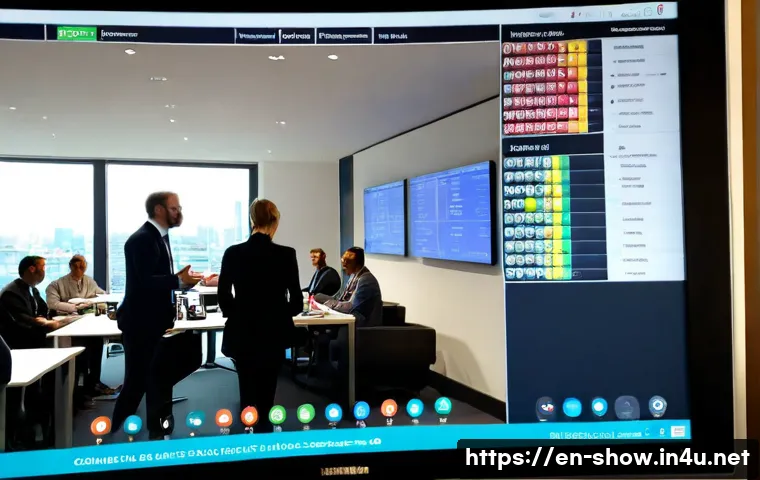
Event planners typically grow by moving from support tasks to owning timelines, vendor coordination, budgets, and client communication. The fastest credible path is to build real event experience first, then invest in training or software only when it solves a clear skill or workload problem.

Agency, in-house, and freelance roles can all build a career, but they offer different levels of stability, client exposure, and administrative responsibility.
A strong portfolio matters because it shows how you planned, supported, or led an event without overstating your role. Paid event management courses, certification programs, and production tools can be useful, but none guarantees a job, clients, or profitable events.
The right next step depends on the experience you already have and the type of work you want to manage.
At a Glance
- Start by supporting real events, then take ownership of defined planning tasks.
- Choose agency, in-house, or freelance work based on your need for stability, variety, and business autonomy.
- Pay for training, certification, or event planning software only when it fills a specific and verified gap.
| Career Route | Stability | Client Exposure | Startup and Admin Load | Best Fit |
|---|---|---|---|---|
| Agency | Usually structured around an employer role | Often high across different clients and event formats | Lower personal business overhead | People who want variety, team learning, and production experience |
| In-House | Often tied to one organization and its event calendar | Focused on internal teams, customers, or partners | Lower personal business overhead | People who prefer repeatable systems and deep brand knowledge |
| Freelance | Depends on client flow and contracts | Direct responsibility for client relationships | Higher: contracts, bookkeeping, coverage, and business setup may apply | People ready to manage both events and a small business |
What Professional Growth in Event Planning Usually Looks Like
A Three-Line Career-Path Summary
Most event planning careers begin with practical support work. An assistant or coordinator learns how schedules, venue requirements, suppliers, speakers or talent, and attendee needs connect during a live event. Growth follows when you can manage a defined part of the project reliably, communicate clearly, and handle problems without losing sight of the client’s goals.
From Event Assistant to Trusted Project Lead
An event assistant may help with guest lists, run sheets, supplier follow-ups, on-site setup, and breakdown. A coordinator may take responsibility for a section of the timeline, a vendor group, or attendee communications. A planner, producer, or project manager is more likely to connect the full plan: budget tracking, contracts, production schedules, client approvals, and contingency plans.
Titles differ between employers, but the progression is less about the title and more about scope of ownership. If you can explain what needs to happen, who owns it, when it is due, and what happens if it changes, you are moving toward project leadership.
The Responsibilities That Signal Readiness for the Next Level
Readiness is often visible in practical habits. You may be ready for more responsibility when you can maintain a working event timeline, communicate professionally with suppliers, track planning decisions, identify risks early, and report what happened after the event. Live event work can include evenings, weekends, and on-site setup or breakdown periods, so reliability during demanding periods matters as much as planning ability.
Compare Career Routes Before Investing in Training or Tools
Agency Roles: Variety, Mentorship, and Demanding Timelines
An agency can expose you to multiple clients, event styles, vendor relationships, and production challenges. This variety can speed up learning because you see different planning systems in action. The trade-off is that schedules may be demanding, especially when several client projects overlap.
In-House Roles: Brand Knowledge and Repeatable Event Systems
In-house event professionals often develop detailed knowledge of one organization, its audience, and its approval process. This can be valuable for learning how to create repeatable event systems. The work may involve fewer types of clients, but it can strengthen skills in stakeholder communication, brand consistency, reporting, and long-term planning.
Freelance Work: Autonomy, Client Acquisition, and Business Overhead
Freelance planning offers more control over service scope and client selection. It also brings responsibility for finding work, setting expectations, using contracts, keeping records, and considering liability coverage. Before working independently, review local requirements for business registration, venue rules, permits, and insurance according to the event’s risk profile.
How to Compare the Routes
Do not choose based only on job title. Compare access to experienced colleagues, exposure to live production, control over your schedule, client contact, and the business tasks you are prepared to handle. Earning potential is influenced by many factors, including location, experience, employer, event type, client relationships, and your ability to manage scope well.
Build the Skills That Clients and Employers Actually Need
Budgeting, Supplier Coordination, and Timeline Control
Event planning is not only about creative ideas. Clients and employers need people who can track spending, follow up with suppliers, keep decisions organized, and maintain a usable schedule. Practice turning a broad event goal into smaller deliverables with owners, due dates, and backup actions.
Contracts, Risk Planning, and Professional Communication
Contracts and supplier arrangements should be reviewed carefully before commitments are made. A planner should understand what has been agreed, who is responsible for each deliverable, and what changes require approval. Contingency planning is equally important: identify what could affect the venue, schedule, supplier delivery, talent or speakers, and attendee experience.
Production Technology and Event-Management Software
Event management software can help organize registration details, planning tasks, schedules, supplier information, and reporting. Production tools may also support run sheets and team communication. Software is most useful when spreadsheets, email threads, and manual handoffs are creating mistakes or consuming too much time.
Before subscribing, check whether the platform matches your event type, team size, workflow, data-handling needs, and cancellation terms. Look at the feature list, support options, and practical limits rather than assuming that a popular platform fits every project.
When a Paid Course, Certification, or Mentor May Be Worth the Cost
A paid event management course can make sense when you have identified a specific gap, such as production budgeting, contract processes, event technology, or client management. A certification program may be useful if its curriculum is current and relevant to the work you want to pursue. Mentorship can be especially valuable when it gives you feedback on real planning materials and professional communication.
Before enrolling, compare course scope, instructor support, current industry relevance, total cost, and refund or cancellation terms. A credential can support your development, but it does not replace real experience or guarantee employment.
Gain Experience and Create a Portfolio Without Overclaiming
Start With Support Roles, Community Events, and Supervised Projects
Early experience can come from support roles, community events, supervised projects, or opportunities where an experienced planner reviews your work. The goal is not to claim that you led an event when you did not. The goal is to show that you contributed responsibly and learned how a live event is delivered.
What to Include in a Portfolio Case Study
A useful portfolio can document the event goal, your specific responsibilities, planning materials you created, outcomes you were allowed to share, and lessons learned. You might include a redacted timeline, a sample supplier coordination process, a planning checklist, or a summary of how you supported an attendee journey.
Use clear language such as “supported,” “coordinated,” “prepared,” or “managed” only when it accurately reflects your role. Specific responsibility is more credible than vague claims about “making an event successful.”
Protecting Confidential Budgets, Attendee Data, and Client Materials

Do not publish confidential budgets, attendee data, private contracts, unreleased client materials, or internal communications. Remove identifying details where necessary and ask for permission when you are unsure. A professional portfolio demonstrates judgment as well as capability.
Common Early-Career Mistakes That Weaken Trust
Common mistakes include overstating ownership, promising outcomes before supplier or client approval, ignoring timeline changes, and treating post-event reporting as optional. Another mistake is buying several courses or tools before gaining enough experience to know what problem each purchase is meant to solve.
Grow From Delivering Events to Managing a Sustainable Practice
Moving From Task Execution to Project Ownership
Project ownership means seeing the connections between budget, timeline, supplier commitments, client expectations, and attendee experience. Instead of waiting for every instruction, you identify missing information, confirm decisions, and document next steps. This is the shift from completing tasks to managing a project.
Setting Service Scope, Vendor Processes, and Client Expectations
As you take on larger assignments, define what is included in your service. Clarify approval points, communication channels, supplier responsibilities, and how changes will be handled. Strong processes reduce confusion and make it easier to protect both the client relationship and the event schedule.
When Outsourcing, Insurance, Accounting Support, or Planning Software Can Reduce Risk
As workload becomes more complex, specialist support may be more useful than trying to manage every task alone. Accounting support can help with recordkeeping, while planning software can improve visibility across tasks and teams. Independent planners may also need to consider business insurance and contracts based on their jurisdiction and the event risk profile.
These are business decisions, not automatic requirements for every beginner. Review the actual work you are taking on, the contractual obligations involved, and the local rules that apply.
Choosing Your Next Career Investment: A Comparison Summary
Choose Experience First When Your Portfolio Is Thin
If you have limited examples of real planning work, prioritize supervised projects, support roles, and practical event exposure. Experience helps you identify which skills need further development.
Choose Training When It Fills a Specific, Verified Skill Gap
Training is more useful when you can name the gap: budget tracking, production coordination, client communication, contracts, or event management software. Avoid paying for broad promises that do not match your target role.
Choose Software or Specialist Support When Workload and Complexity Justify Recurring Costs
Recurring software costs make more sense when your current workflow is difficult to manage manually. Specialist support may also be appropriate when business administration, accounting, or risk management exceeds your practical capacity.
Final Checklist Before Spending Money on Career Development
Ask yourself: Do I need more real event experience first? What exact skill or workflow problem am I solving? Is the training curriculum current? Can I review the total cost and cancellation terms? Will this tool fit the event types I plan to manage? Compare the official details, support options, and conditions on the relevant provider page before enrolling or subscribing.
Closing Thoughts
A sustainable event planning career is built through dependable work, accurate communication, and increasing responsibility. Start with the work you can support well, document it honestly, and seek feedback from people who understand live events. Training and technology can help, but they work best when they reinforce practical experience. The strongest investment is usually the one that helps you deliver the next project with more clarity and control.
Useful Things to Know
1. Keep a private record of every responsibility you handle, including planning documents and lessons learned.
2. Build templates for timelines, supplier follow-ups, and post-event reporting as your experience grows.
3. Ask permission before using any client-related material in a portfolio.
4. Check local venue, permitting, contract, and business requirements before accepting independent work.
Important Considerations
Career progression, course value, certification recognition, software pricing, insurance needs, and licensing requirements vary by location, employer, event type, and experience level. No course, credential, tool, or agency can guarantee work, clients, or event profitability. Review contracts and insurance coverage in relation to the relevant jurisdiction and the specific risks of each event.
Frequently Asked Questions
Q1. Do I need a degree or certification to become an event planner?
A1. A degree or certification is not the only route into event planning. Practical experience, a credible portfolio, reliable communication, and planning skills can all be important. A course or certification may be worth considering when it teaches a specific skill relevant to your intended work.
Q2. Is working for an event-planning agency better than starting as a freelance planner?
A2. Neither route is automatically better. Agency work can provide variety, team learning, and exposure to different clients, while freelance work offers autonomy but requires client acquisition and business administration. Choose based on your experience level, desired stability, and readiness to manage contracts and operational responsibilities.
Q3. Which event-planning skills are worth paying to learn?
A3. Paid learning may be worthwhile for a clear gap in budgeting, supplier management, production coordination, contract processes, event technology, or client communication. Compare the curriculum, industry relevance, learner support, full cost, and cancellation terms before making a decision.