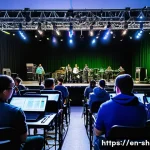
Hey everyone, ever wonder what it’s *really* like behind the velvet ropes and dazzling lights of a perfectly executed event? As someone who’s been deeply embedded in the event world—or, you know, spent countless hours observing its intricate dance—I can tell you it’s a whirlwind of creativity, adrenaline, and, well, an absolutely insane workload.
We often see the glamorous end product, but rarely the relentless grind, the endless nights, and the countless decisions that go into making it all happen.
In an industry consistently ranked among the most stressful, balancing a demanding career with, you know, *life* itself, feels less like a goal and more like a mythical unicorn chase.
With constant client demands, tight deadlines that seem to shift hourly, and the ever-present pressure to be ‘always on,’ it’s no wonder so many talented event professionals find themselves on the brink of burnout, or already deep within its grasp.
But here’s the thing: the landscape is changing, and it’s not all doom and gloom. Technology is stepping up, new strategies are emerging, and frankly, people are demanding better for their well-being.
So, how are we navigating this high-stakes world without completely losing ourselves in the process? Let’s get into the nitty-gritty and uncover some game-changing insights together!
Navigating the Relentless Grind: Beyond the Glamour

It’s no secret that the event industry thrives on passion, but let’s be real, it also thrives on pushing people to their absolute limits. I’ve seen firsthand how easily enthusiasm can morph into exhaustion when you’re constantly chasing perfection under impossible deadlines.
The expectation to be “always on”—responding to emails at 2 AM, taking calls on your “day off,” or jumping on a plane at a moment’s notice—it’s become almost a badge of honor, but it’s a dangerous one.
We’ve normalized a level of stress that’s simply unsustainable, and it’s taking a massive toll on mental and physical health. It’s tough, because you love what you do, you thrive on creating those magical moments, but the constant pressure can really suck the joy right out of it.
I remember one time, I was so wired after a huge corporate gala, I literally couldn’t sleep for two days straight, my mind just racing through every single detail, wondering what I could have done better, even though everything went off without a hitch.
That’s when you know you’re teetering on the edge.
The Myth of the “Always-On” Professional
For too long, there’s been this underlying belief in our industry that if you’re not perpetually accessible, you’re not dedicated enough. I call it the “always-on” myth, and it’s toxic.
It fuels a culture where downtime is seen as weakness and self-care is a luxury you can’t afford. This mindset isn’t just detrimental to individuals; it hurts teams and, ultimately, the quality of events.
When you’re constantly running on fumes, creativity suffers, mistakes happen more often, and your ability to problem-solve effectively diminishes. I’ve been there, staring at a spreadsheet at midnight, feeling my brain just refusing to process another number, knowing full well I’d be less effective the next day.
It’s a vicious cycle that needs to be broken. We need to start valuing sustainable work habits over performative exhaustion, for everyone’s sake.
Recognizing the Red Flags
Identifying burnout isn’t always easy, especially when you’re in the thick of it. For me, it started with a creeping sense of dread before big projects, something that used to energize me.
Then came the constant fatigue, the irritability, and the feeling that no matter how much I accomplished, it was never enough. Physically, I noticed more headaches and an inability to truly relax, even when I had a rare moment of peace.
My sleep was a mess, and I found myself relying on caffeine just to function. If you’re feeling any of these things, pay attention. These aren’t just “part of the job”; they’re your body and mind screaming for help.
It’s so easy to ignore them, to tell yourself “it’ll pass” or “just get through this one event,” but trust me, those red flags are important signals you absolutely shouldn’t dismiss.
Technology as Our Ally: Smart Solutions for Sanity
Thankfully, we’re not stuck in the dark ages of manual spreadsheets and endless phone calls anymore. Technology has become an absolute lifesaver for event professionals looking to reclaim some semblance of work-life balance.
When I first started, everything was manual, from guest lists to vendor communication, and it was a monumental drain on time and energy. Now, with the right tools, so much of that repetitive, administrative burden can be automated, freeing us up to focus on the creative, strategic, and truly human aspects of event planning.
It’s not about replacing human ingenuity, but enhancing it, allowing us to be more efficient, more precise, and frankly, more human in our interactions.
I genuinely feel like I get to do more of what I love and less of what drains me, all thanks to some incredible software.
Streamlining with Smart Software
Project management platforms like Asana or Trello have been game-changers for my team. Being able to visualize timelines, assign tasks, and track progress in real-time dramatically reduces the constant back-and-forth emails and frantic check-ins.
Event management software, like Cvent or Aventri, takes this a step further, integrating everything from registration and ticketing to attendee engagement and post-event analytics.
It’s like having a highly efficient, tireless assistant who handles all the mundane stuff, allowing me to focus on the bigger picture and client relationships.
I distinctly remember the first time I used an integrated platform for a large conference; the sheer relief of not having to manually cross-reference attendee lists with payment records was immense.
It transformed what used to be a week of tedious work into a day, giving me precious hours back.
Virtual Tools for Global Reach and Efficiency
The rise of virtual and hybrid events has also introduced incredible tools that aren’t just for online audiences but also for making our lives easier.
Video conferencing platforms, virtual venue software, and collaboration tools like Miro or Slack have become indispensable. They allow for more flexible work arrangements, reducing travel time and enabling teams to collaborate seamlessly from different locations.
This flexibility isn’t just convenient; it’s a critical component of a healthier work-life balance. I’ve found that being able to attend a client meeting from my home office, rather than spending hours commuting, significantly reduces my stress levels and gives me more control over my day.
It’s a small change, but it makes a huge difference in feeling less overwhelmed by the sheer logistics of our demanding jobs.
Redefining Client & Team Dynamics for Better Outcomes
True change in the event industry won’t just come from fancy software; it also demands a fundamental shift in how we interact with clients and how we build our teams.
Honestly, it’s a two-way street. We need to educate clients on realistic expectations and empower our teams to operate effectively without constant micromanagement.
I’ve learned the hard way that saying “yes” to every last-minute, impossible request might make a client happy in the short term, but it burns out your team and often leads to compromises in quality down the line.
It’s about fostering a culture of respect, clarity, and mutual understanding, where everyone feels valued and understood. This means being brave enough to have those tough conversations upfront and consistent in upholding new, healthier standards.
Setting Healthy Boundaries
This is probably the hardest lesson I’ve learned, but also the most impactful. Establishing clear boundaries with clients isn’t about being unhelpful; it’s about defining what’s achievable and sustainable.
This includes setting expectations around communication channels (e.g., “Emails will be answered within 24 hours during business hours”), response times, and the scope of work.
It also means having the confidence to push back on unrealistic timelines or demands that will inevitably lead to stress and subpar results. I started explicitly outlining my “office hours” and my team’s availability in our proposals and contracts.
At first, I was nervous clients might react negatively, but surprisingly, most appreciated the clarity. It helped manage their expectations and, in turn, allowed my team to work more efficiently and without constant fear of being interrupted off-hours.
Empowering Your Team to Thrive
A healthy work environment starts with trust and empowerment. For me, this means delegating effectively, providing clear instructions, and then stepping back to let my team members own their tasks.
It’s about fostering an environment where people feel comfortable making decisions, asking for help, and even making mistakes without fear of harsh reprimand.
Regular check-ins, professional development opportunities, and open communication channels are crucial. I’ve implemented a policy where team members are encouraged to take mental health days when needed, no questions asked.
I’ve also found that investing in team-building activities, not just during work hours, but also outside, helps create a stronger bond and a more supportive atmosphere.
When your team feels genuinely supported and trusted, their morale, productivity, and loyalty skyrocket, making everyone’s job a little bit easier and a lot more enjoyable.
The Power of Proactive Wellness Strategies
Let’s face it, just because the industry is high-pressure doesn’t mean we have to sacrifice our well-being. Proactive wellness isn’t a luxury; it’s a non-negotiable for anyone serious about a long and successful career in events.
I used to scoff at “self-care” as something fluffy, but after hitting my own wall, I realized it’s actually about building resilience. It’s the daily habits, big and small, that keep us from completely unraveling when things get tough.
It’s about creating a personal toolkit of coping mechanisms and stress-busters that you can deploy when the inevitable chaos descends. I’ve come to understand that taking care of myself isn’t selfish; it’s a strategic move that allows me to show up as my best self for my clients and my team.
Building Personal Resilience
For me, building resilience looks like a non-negotiable morning routine that includes some form of movement, whether it’s a quick jog or a yoga session, before my workday officially begins.
It also means scheduling regular breaks throughout the day, even if it’s just 15 minutes away from my screen. Learning to truly unplug at the end of the day, rather than just shifting from work tasks to endless scrolling, has been transformative.
This could be reading a physical book, spending time with loved ones, or engaging in a hobby completely unrelated to events. I’ve also found immense value in mindfulness practices; even five minutes of meditation can help reset my brain when things feel overwhelming.
It’s not about being perfect every day, but consistently trying to prioritize these moments of calm.
Company Culture: More Than Just Perks
A truly supportive company culture goes far beyond offering free snacks or a trendy office space. It’s about embedding wellness into the very fabric of how a company operates.
This means leadership modeling healthy boundaries, encouraging time off, and actively discouraging an “always-on” mentality. It also involves creating policies that support mental health, offering resources like employee assistance programs, or even just regular workshops on stress management.
I’ve seen firsthand how a company that genuinely cares for its employees—not just their output—fosters a more loyal, productive, and happier workforce.
When a company invests in its people’s well-being, it’s investing in its own long-term success. It creates an environment where people feel safe to speak up about challenges and seek support without fear of judgment.
Smart Money, Smart Sanity: The Financial Side of Work-Life Harmony

Let’s talk about the elephant in the room: money. It’s a huge driver in our industry, and the pressure to deliver results often ties directly into financial incentives.
But what often gets overlooked is how financial management can play a huge role in our overall well-being and ability to achieve a balanced life. Being smart about how we manage event budgets, pricing our services, and even our personal finances can significantly reduce stress and give us more freedom.
The constant worry about profit margins or unexpected costs can be a huge drain, and learning to navigate this wisely is just as crucial as managing timelines and vendors.
I’ve come to realize that a stable financial footing, both professionally and personally, is a cornerstone of peace of mind.
Smart Budgeting for Sanity
For event professionals, robust budgeting isn’t just about making a profit; it’s about creating a buffer for the inevitable unforeseen challenges and ensuring fair compensation for everyone involved.
This means meticulous planning, negotiating smart contracts, and having contingency funds built into every project. It also means accurately pricing our services to reflect the true value of our expertise and the insane hours we pour into each event.
Underbidding to win a project often leads to cutting corners, overworking, and a feeling of resentment. When I started being more assertive about my pricing, explaining the detailed value we bring, it not only attracted better clients but also allowed us to invest more in our team and technology, which directly improves work-life balance for everyone.
The Hidden Costs of Overwork
We often think of “costs” in terms of dollars and cents, but there are significant hidden costs to overwork that can deplete both our personal and professional resources.
Chronic stress leads to health issues, increased sick days, higher turnover rates among staff, and a decline in creativity and innovation. These aren’t just abstract ideas; they have real financial implications for businesses.
Imagine the cost of constantly having to onboard new staff because people are burning out and leaving. Or the long-term impact on your reputation if client service suffers due to an exhausted team.
Recognizing these hidden costs helps us build a stronger case for investing in sustainable practices and valuing work-life balance not just as a perk, but as a critical business strategy.
It’s an investment, not an expense.
Embracing Flexibility and Hybrid Models
The past few years have completely reshaped our understanding of where and how work can be done, and the event industry is no exception. While some aspects of event planning will always require on-site presence, there’s a massive opportunity to integrate more flexible and hybrid working models that can dramatically improve work-life balance.
This isn’t just about working from home; it’s about reimagining schedules, workflows, and communication to create a more adaptable and employee-friendly environment.
I’ve personally experienced the profound positive impact of having more control over my physical workspace and daily schedule, and it’s something I believe we need to champion moving forward.
The old “one size fits all” office model simply doesn’t cut it anymore for our dynamic industry.
Remote Work: A Blessing in Disguise?
For roles that don’t require physical presence, the option of remote work has been nothing short of a revelation. Think about all the planning, coordination, and administrative tasks that can be done just as effectively, if not more so, from a home office or a co-working space.
It cuts down on commuting time, which can be a huge drain on both time and energy, and allows for greater autonomy in structuring your day. Of course, it requires discipline and clear communication, but when done right, it can lead to increased productivity and significantly improved morale.
I’ve found that my team members, given the flexibility to work remotely for certain tasks, are happier and more engaged, and that positively impacts their on-site performance when it truly matters.
Crafting a Sustainable Schedule
Beyond just remote work, embracing flexibility means crafting schedules that are sustainable. This could involve compressed workweeks, flexible start and end times, or even project-based work that allows for periods of intense focus followed by periods of lighter load.
It’s about moving away from the rigid 9-to-5 mentality and recognizing that peak productivity doesn’t always align with traditional office hours. It empowers individuals to manage their energy levels more effectively, scheduling deep-focus work when they’re most alert and handling administrative tasks during times of lower energy.
For me, this has meant being able to schedule personal appointments without stress, or sometimes taking a mid-day break to recharge, knowing I can make up the time later without feeling guilty.
The Future of Event Planning: A Human-Centric Approach
Looking ahead, I firmly believe that the most successful event companies will be those that prioritize a human-centric approach, both for their clients and, crucially, for their employees.
This means designing events with well-being in mind, and fostering internal cultures that champion balance, support, and continuous learning. It’s about recognizing that our people are our greatest asset, and investing in their health and happiness isn’t just a nice-to-have; it’s a strategic imperative.
The event industry is inherently about human connection and experience, so it only makes sense that we extend that same care and consideration to those who bring these experiences to life.
We’re moving towards an era where empathy and well-being aren’t just buzzwords, but foundational principles.
Prioritizing Well-being in Design
This extends beyond simply putting a “wellness break” on the agenda. It’s about consciously designing events that minimize stress for attendees and staff alike.
This could mean more realistic scheduling, integrating quiet zones, providing healthier food options, and ensuring ample breaks for movement and mental decompression.
For virtual events, it means being mindful of screen fatigue and building in interactive elements and shorter sessions. When we approach event design with well-being as a core principle, we create richer, more impactful experiences for everyone involved.
I’ve started actively asking clients about their attendees’ energy levels and attention spans, and designing our schedules around those human factors, rather than just packing in as much content as possible.
Mentorship and Community Support
Finally, we can’t underestimate the power of community and mentorship in navigating this demanding industry. Having a strong network of peers who understand the unique challenges of event planning provides an invaluable outlet for sharing experiences, seeking advice, and finding support.
Mentorship programs, both formal and informal, can help newer professionals learn the ropes in a healthier way, benefiting from the wisdom of those who’ve been through it.
Building these connections helps combat feelings of isolation and reminds us that we’re not alone in facing the pressures. I’ve found some of my greatest strength and most practical solutions through conversations with other event professionals who genuinely “get it.”
Here’s a quick look at some common event industry stressors and how modern strategies are helping us tackle them:
| Common Stressor | Traditional Approach | Modern Solution / Strategy |
|---|---|---|
| Unrealistic Deadlines | Work longer hours, sacrifice sleep | Project management software, clear boundary setting, client education |
| Constant Communication Demands | Be “always on,” respond immediately | Defined communication channels, setting office hours, automated responses |
| Manual Administrative Tasks | Tedious data entry, repetitive processes | Event management software, automation tools, AI integration |
| Travel & On-site Pressure | Constant travel, non-stop physical demands | Hybrid event models, remote work for planning, flexible scheduling |
| Budget & Financial Uncertainty | Cut costs aggressively, constant worry | Robust financial planning, value-based pricing, contingency funds |
| Lack of Personal Time | Work dominates personal life | Proactive wellness strategies, designated “unplug” time, strong team delegation |
글을 마치며
Whew, that was quite a journey, wasn’t it? As we’ve explored, thriving in the exhilarating yet demanding world of events isn’t just about flawless execution; it’s profoundly about cultivating a sustainable approach to our work and our lives. I’ve seen countless passionate professionals burn out, and I genuinely believe it doesn’t have to be that way. It’s about being smart, being proactive, and being kind to ourselves and our teams. Remember, your well-being isn’t just a personal choice; it’s a professional asset that fuels your creativity, resilience, and ultimately, your long-term success in an industry we all love so much. Let’s commit to making a change, together.
알아두면 쓸모 있는 정보
1. Master the Art of Digital Detox: In our hyper-connected world, it’s incredibly easy to feel like you always need to be reachable. But honestly, consistently responding to emails at all hours leads to burnout faster than anything. Try setting specific “digital detox” hours each day or on weekends where you completely disconnect from work-related communications. You’ll be amazed at how much clearer your mind feels and how much more refreshed you are when you return to your inbox. This isn’t about ignoring your responsibilities; it’s about safeguarding your mental energy so you can tackle them more effectively during dedicated work times. It took me a while to get comfortable with this, but it’s been a game-changer for my overall peace of mind and, surprisingly, hasn’t negatively impacted client relationships. Most clients respect clear boundaries when communicated politely upfront.
2. Automate the Mundane, Elevate the Creative: Don’t be a hero trying to manually handle every single repetitive task. Technology is your friend! From using scheduling apps to manage meetings, to implementing event management software that automates registration and ticketing, there are so many tools out there designed to free up your precious time. The less time you spend on tedious administrative work, the more energy you have to pour into the creative, strategic aspects of event planning that genuinely excite you and deliver value to your clients. I vividly remember the days of endless excel sheets for RSVPs; switching to an automated system felt like shedding a huge weight, allowing me to focus on attendee experience rather than data entry. It’s an investment that pays dividends in both efficiency and personal sanity.
3. Prioritize Movement and Mindfulness: It sounds simple, but moving your body and taking moments for mental stillness can dramatically impact your ability to handle stress. Whether it’s a brisk 15-minute walk during lunch, a quick stretching session between calls, or even just five minutes of mindful breathing, these small practices accumulate. They help break the cycle of prolonged sitting and screen time, improve circulation, and give your brain a much-needed reset. I used to think I was too busy for this, but I’ve realized these aren’t “extra” tasks; they’re essential maintenance for a high-performance professional. My headaches decreased, my focus improved, and I felt much more capable of tackling complex problems after incorporating these breaks into my routine.
4. Nurture Your Professional Tribe: This industry can be demanding, and sometimes it feels like no one truly understands the unique pressures you face. That’s why having a strong network of fellow event professionals is invaluable. These are the people who “get it”—who can offer advice, share war stories, and provide genuine empathy. Actively seek out networking events, join industry groups, and connect with peers online. Building these relationships provides a vital support system, offers opportunities for collaboration, and can even lead to new business. I’ve found some of my best solutions to tricky client situations and my deepest sense of camaraderie through these connections. They remind you that you’re not alone in the grind, and there’s strength in community.
5. Master the Art of Strategic Delegation: It’s tempting to try and do everything yourself, especially if you’re a perfectionist. But effective delegation is not a sign of weakness; it’s a hallmark of strong leadership and a key to preventing burnout. Identify tasks that can be handled by others, provide clear instructions and expectations, and then trust your team. This frees you up to focus on high-impact activities that truly require your expertise and leadership. It also empowers your team members, fostering their growth and development. Learning to let go was one of the hardest lessons for me, but seeing my team rise to the occasion, and the increased productivity we achieved as a result, made it one of the most rewarding shifts in my career. Remember, you don’t have to carry the entire weight of the world on your shoulders.
중요 사항 정리
The event industry is at a pivotal point, and embracing sustainable practices is no longer optional; it’s foundational for long-term success and personal well-being. We’ve collectively recognized that the “always-on” culture is detrimental, leading to widespread burnout and diminished creativity. By strategically leveraging technology, event professionals can significantly streamline operations, automating routine tasks and freeing up valuable time for more impactful work. This allows us to shift focus from mere task management to strategic planning and genuine client engagement. Crucially, redefining client and team dynamics through clear boundaries and empowered leadership creates a respectful and productive environment, moving away from reactive chaos towards proactive collaboration. Implementing proactive wellness strategies, from personal digital detoxes to company-wide mental health support, is paramount; these aren’t just perks, but essential investments in a resilient workforce. Finally, embracing flexibility and hybrid work models offers unparalleled opportunities for a healthier work-life balance, allowing professionals to integrate work more harmoniously into their lives. The future of event planning champions a human-centric approach, prioritizing the well-being of both attendees and the dedicated professionals who bring these extraordinary experiences to life, ensuring a more vibrant and sustainable industry for everyone involved.
Frequently Asked Questions (FAQ) 📖
Q: How can event professionals genuinely avoid hitting that burnout wall, especially when the job itself feels like a non-stop sprint?
A: Oh, this is such a critical question, and frankly, it’s one I’ve grappled with more times than I can count. As event professionals, we often wear a badge of honor for being “always on,” but let me tell you, that badge can get heavy, really fast!
From my experience, and from what I’ve seen work wonders for colleagues, it all boils down to two big things: boundaries and self-care. Seriously, setting clear boundaries isn’t just a nice-to-have, it’s a non-negotiable survival tactic.
This means deciding on actual work hours and, here’s the tricky part, sticking to them. It’s okay to not reply to that email at 10 PM. I know, I know, it feels like the world will end, but trust me, it won’t.
Communicate your availability to clients and your team upfront. Also, don’t be afraid to say “no” when your plate is overflowing. I used to think saying “no” meant missing opportunities, but I’ve learned it means protecting my energy for the right opportunities and doing my best work.
Then there’s self-care, which is way more than just a spa day (though those are amazing!). We’re talking about consistent, mindful practices. Think about it: our bodies and minds are our most important tools.
Scheduling in genuine recovery days after big events is crucial; studies have shown that work-induced fatigue just compounds over time, and you need that time to truly recharge your batteries.
Prioritize physical activity, healthy eating, and getting enough sleep, because when those basic needs are met, you’re so much more resilient. Even small breaks throughout the day – a quick walk, some deep breaths, or just stepping away from your screen for five minutes – can make a huge difference in managing stress levels and improving productivity.
What I’ve found personally is that building a supportive network, whether it’s peers, mentors, or even just friends who “get it,” helps immensely. Knowing you’re not alone in the chaos can be incredibly validating and a powerful antidote to burnout.
Q: We hear a lot about technology changing everything. How is it actually helping event managers cope with the insane stress and workload?
A: You are absolutely right! Technology isn’t just a buzzword in our industry anymore; it’s genuinely becoming a lifeline, especially when you feel like you’re drowning in details.
I remember the pre-tech days, trying to manage everything with spreadsheets and endless email chains – talk about a recipe for overwhelm! Now, it’s a completely different ballgame.
Event management software has truly streamlined so much of the heavy lifting. We’re talking about platforms that centralize tasks, handle scheduling, automate reminders, and even simplify budgeting.
This means less time chasing down fragmented information and more time focusing on the creative and strategic aspects that really make an event shine.
Think about how much stress just knowing you have an organized plan in place can reduce. These tools keep everyone on the same page, which is priceless when you’re coordinating vendors, staff, and attendees.
And then there’s AI and automation – these are game-changers, truly. AI-powered assistants and chatbots are stepping in to handle real-time guest inquiries, manage schedules, and even offer networking suggestions, freeing us up from those repetitive, time-consuming tasks.
I’ve seen firsthand how automating things like registration and personalized attendee messaging can drastically cut down on manual workload, allowing us to be more efficient and less prone to those last-minute panic moments.
Virtual and hybrid event platforms are also evolving rapidly, offering features like live streaming, interactive tools, and data analytics that not only enhance attendee engagement but also empower us to make smarter decisions without adding to our stress.
Frankly, leveraging the right tech is like having an invisible assistant who never sleeps, allowing you to breathe a little easier and reclaim some mental energy for creative problem-solving.
Q: Achieving “work-life balance” in event management sometimes feels like a mythical quest. Is it truly possible, and if so, what’s the secret sauce?
A: Ah, the mythical unicorn chase! I totally get it. For a long time, “work-life balance” felt like a cruel joke in the event world.
We’re passionate, dedicated, and often, a little bit addicted to the adrenaline. But here’s what I’ve learned over the years: it’s less about a perfect 50/50 split and more about integration and sustainable choices.
It’s absolutely possible, but it requires intentional effort and a mindset shift. The “secret sauce,” if there is one, involves a blend of self-awareness, assertive boundary-setting, and leveraging your resources.
First, you need to be honest with yourself about your capacity. Ask yourself regularly: “How am I feeling physically, mentally, and emotionally?” It sounds simple, but we often push past our limits without even realizing it.
Once you know where you stand, you can start defining those all-important work hours and digital limits we talked about earlier. Seriously, schedule your personal time like it’s a client meeting you absolutely cannot miss – whether it’s hitting the gym, spending time with loved ones, or just enjoying a quiet evening without checking emails.
Empowering your team through effective delegation is another huge piece of this puzzle. You don’t have to do everything yourself. Trusting your team members and distributing the workload not only lightens your load but also fosters a stronger, more collaborative environment.
Beyond that, nurturing a supportive work culture where well-being is genuinely valued, and even flexible work models, can make a monumental difference.
And honestly, don’t be afraid to seek professional help or join industry support groups if you feel overwhelmed. Organizations are increasingly recognizing the importance of mental health in our industry, and there are resources out there.
It’s an ongoing dance, not a destination, but by consistently making small, conscious choices to protect your well-being, you really can craft a career in events that feels fulfilling without completely consuming you.