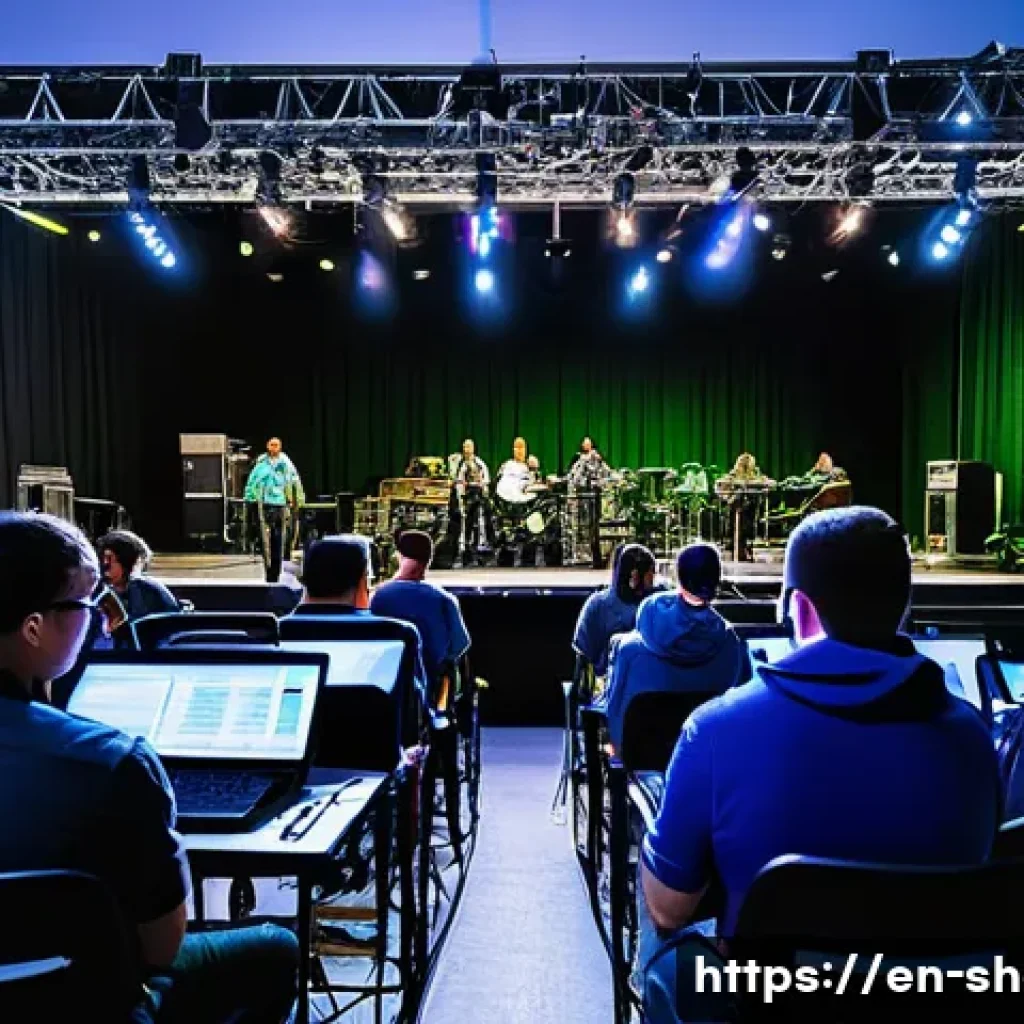
Gaining hands-on experience in event planning is a game-changer for anyone looking to break into the entertainment industry. It’s one thing to study theories, but nothing compares to the thrill and challenges of organizing live performances.
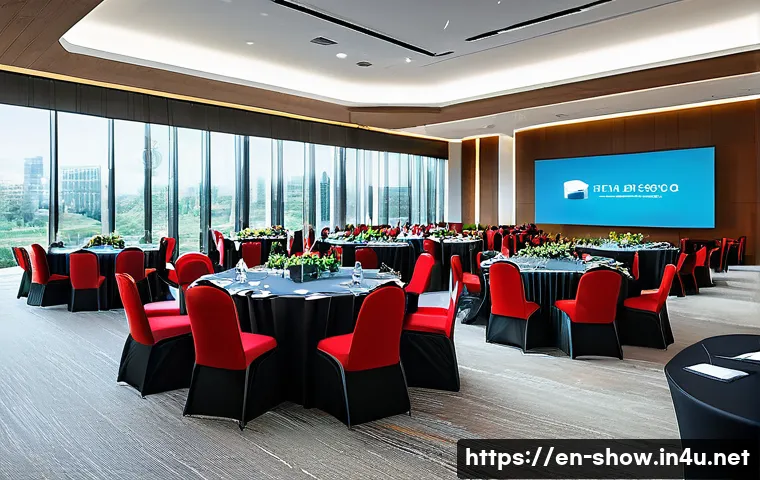
From coordinating artists to managing logistics, every task sharpens your skills and builds your professional network. Plus, real-world experience helps you understand the fast-paced nature of the business, preparing you for unexpected hurdles.
If you’ve ever wondered how to get started and stand out, this guide will clear things up. Let’s dive in and explore the best ways to gain practical experience in event planning!
Immersing Yourself in Venue Operations
Understanding Venue Layouts and Capacities
Grasping how a venue is structured is fundamental for any aspiring event planner. When I first shadowed a venue manager, I realized how crucial it is to know every nook and cranny—stage dimensions, audience seating, emergency exits, and backstage areas.
This knowledge isn’t just about logistics; it directly impacts artist performance flow and audience experience. The more familiar you are with these details, the quicker you can troubleshoot issues on the fly during a live event.
Trust me, nothing beats the confidence that comes from knowing exactly where to direct a crew member or how to adjust a seating arrangement last minute.
Mastering Load-In and Load-Out Procedures
One of the most intense parts of event planning is managing the arrival and departure of equipment and performers. From my experience volunteering at concerts, coordinating load-in times requires tight scheduling and clear communication with vendors and artists.
If one piece of gear arrives late or in the wrong order, it can throw off the entire setup timeline. Learning to anticipate these challenges and having contingency plans in place is a game-changer.
Plus, helping with load-outs teaches you how to wrap up efficiently, ensuring everyone leaves satisfied and the venue is reset for the next event.
Building Relationships with Venue Staff
Venues are ecosystems of professionals—technicians, security, cleaners, and managers—all working towards a successful event. I found that investing time in building genuine relationships with these teams pays dividends.
When you’re seen as reliable and respectful, staff are more likely to go the extra mile to support you. For example, a venue technician I befriended once helped me solve an unexpected sound issue during a show, saving the event from potential disaster.
These connections also open doors to insider knowledge about upcoming gigs and opportunities to assist behind the scenes.
Networking Through Internships and Volunteer Roles
Finding the Right Internship Opportunities
Internships are golden tickets into the entertainment world if you know where to look. I started by targeting local event companies and music festivals that had reputations for hands-on learning.
When applying, I emphasized my eagerness to do any task, from administrative work to on-site coordination. This attitude caught the eye of a small but busy production house, where I learned the ropes of booking artists and managing schedules.
The key is persistence—many opportunities are competitive, but showing genuine enthusiasm can tip the scales in your favor.
Maximizing Volunteer Experiences
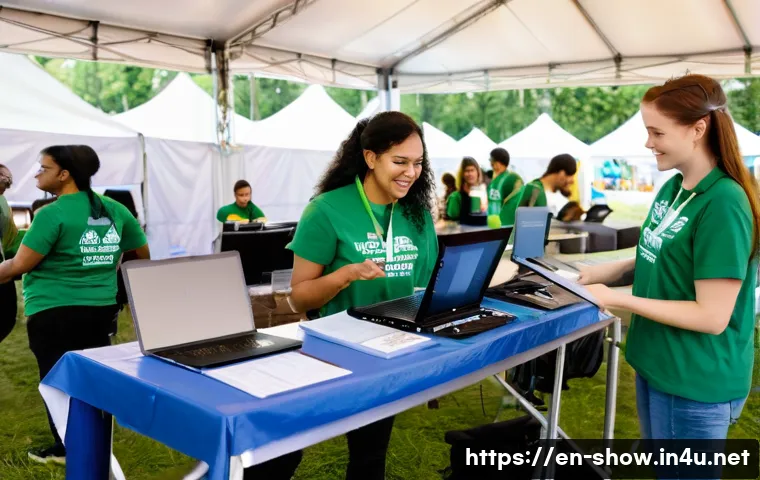
Volunteering at events might seem like a way to get coffee runs, but it’s actually a prime chance to observe and participate in real-time problem solving.
I recall volunteering at a charity concert where I was unexpectedly asked to assist with artist check-in. It was nerve-wracking but invaluable for understanding artist relations.
Volunteers often get to see the chaos behind the scenes, which teaches flexibility and quick thinking. Plus, it’s a great way to meet like-minded people who can become future collaborators or references.
Leveraging Social Media to Connect
Beyond physical presence, social media platforms like LinkedIn and Instagram are powerful tools to network with industry pros. After attending a few events, I started following event planners and production companies, engaging with their posts, and sharing my own mini-projects.
This online activity led to direct messages from event coordinators offering advice and even shadowing opportunities. Being proactive and professional on social media can set you apart from others who only rely on traditional methods.
Gaining Technical Skills Through Hands-On Practice
Learning Event Software and Tools
Technology is at the heart of modern event planning. I dived into software like Eventbrite, Trello, and Slack to manage schedules, ticketing, and team communication.
Initially, it felt overwhelming, but practicing these tools on smaller personal projects helped me build confidence. Mastering these platforms not only streamlines your workflow but also makes you more attractive to employers who seek tech-savvy planners.
Plus, I found that knowing how to create professional event layouts and timelines digitally saves countless hours.
Understanding Audio and Visual Equipment Basics
You don’t have to be a sound engineer, but having a basic grasp of audio and visual gear gives you an edge. At a few gigs, I asked to sit in on soundchecks and watched how technicians set up microphones, mixers, and lighting.
This hands-on curiosity paid off when I could anticipate what the artists needed and communicate effectively with the tech crew. Knowing terms like “feedback,” “mixing desk,” or “lighting cues” makes you sound credible and helps avoid miscommunications.
Practice Budgeting and Vendor Coordination
Money management is another area where practical experience is invaluable. While volunteering for a small festival, I was given the chance to track vendor payments and compare quotes.
This real-world task taught me about negotiation, contracts, and the importance of contingency funds. Coordinating with caterers, equipment rentals, and transport services is a juggling act that hones your organizational skills and teaches you to prioritize spending without compromising quality.
Developing Soft Skills Essential for Event Planning
Enhancing Communication and Negotiation Abilities
Event planning is all about people, and being able to communicate clearly and negotiate diplomatically is crucial. Early in my career, I realized that being a good listener helped me understand client needs and artist expectations better.
Negotiation comes into play when discussing contracts or resolving last-minute changes. For example, I once helped renegotiate a catering contract to include a vegan option without increasing costs—small wins like this build trust and reputation.
Improving Problem-Solving Under Pressure
No event runs perfectly, and developing the ability to stay calm and think critically is a must. I’ve learned to view obstacles as puzzles rather than setbacks.
During one outdoor concert, sudden rain threatened the equipment and schedule. Quickly coordinating with staff to cover gear and rearrange the set list saved the day.
These experiences sharpen your instincts and build resilience, qualities that clients and employers highly value.
Time Management and Multitasking
Juggling multiple tasks simultaneously is part of the daily grind. When I started coordinating smaller shows, I often found myself balancing artist arrivals, equipment checks, and marketing updates all at once.
Over time, I adopted tools like detailed checklists and prioritized urgent tasks. This discipline prevents burnout and keeps the event on track. Sharing your ability to multitask efficiently during interviews can set you apart in a crowded job market.
Exploring Diverse Event Types for Broader Experience
Concerts and Music Festivals
Working on music events exposes you to high-energy environments with tight timelines and big crowds. I found that handling artist logistics—like transportation and dressing rooms—teaches patience and attention to detail.
Festivals add complexity with multiple stages and vendors, requiring even more coordination. This variety builds a solid foundation and shows future employers you can handle scale and pressure.
Corporate and Private Events
Corporate gigs demand professionalism and precision. I’ve helped organize product launches and award ceremonies, which sharpened my skills in client communication and branding alignment.
These events often have strict schedules and formal protocols, so learning to navigate corporate expectations broadened my versatility. Plus, they tend to have better budgets, allowing you to work with high-quality vendors and venues.
Community and Fundraising Events
Smaller community events are great for practicing creativity and grassroots marketing. Volunteering at local fundraisers, I learned how to engage sponsors and manage volunteer teams effectively.
These experiences highlight your ability to work with limited resources and diverse stakeholders, proving your adaptability. Plus, the personal satisfaction of supporting meaningful causes adds motivation and passion to your work.
Tracking Your Progress and Building a Portfolio
Documenting Your Roles and Achievements
Keeping a detailed record of your responsibilities and successes is essential. I maintain a journal and digital portfolio with photos, event summaries, and feedback from supervisors.
This documentation helps during job interviews, providing concrete examples of your capabilities. It also boosts confidence, reminding you how far you’ve come after each project.
Collecting Testimonials and References
Positive feedback from clients, artists, and colleagues can open doors. After events, I ask for brief testimonials or LinkedIn recommendations. These endorsements add credibility and show future employers your professional relationships.
They also provide insights into your strengths from different perspectives, helping you improve.
Creating a Personal Brand Online
Showcasing your event planning journey online through a personal website or social media page can attract opportunities. I share behind-the-scenes photos, event recaps, and tips to engage followers.
This presence not only demonstrates your passion but also serves as a portfolio accessible to potential clients or employers. Regular updates keep your network informed and interested.
| Experience Type | Key Skills Developed | Typical Challenges | Networking Opportunities |
|---|---|---|---|
| Venue Operations | Logistics, spatial awareness, team coordination | Last-minute changes, technical failures | Venue staff, technicians, managers |
| Internships & Volunteering | Communication, multitasking, problem-solving | Competitive placements, varied responsibilities | Event companies, artists, volunteers |
| Technical Practice | Software proficiency, A/V basics, budgeting | Learning curve, vendor management | Vendors, technicians, finance teams |
| Soft Skills | Negotiation, time management, resilience | High-pressure situations, diverse stakeholders | Clients, artists, team members |
| Diverse Event Types | Adaptability, client relations, creativity | Different audience needs, scale complexity | Industry professionals, sponsors, attendees |
| Portfolio Building | Self-promotion, documentation, branding | Maintaining consistency, gathering feedback | Employers, clients, social media followers |
Wrapping Up
Gaining hands-on experience in event planning is a journey filled with challenges and rewarding moments. Each step—from understanding venue logistics to building strong relationships—shapes your ability to manage successful events. Remember, persistence, adaptability, and continuous learning are your best allies. Embrace every opportunity to grow, and you’ll find yourself thriving in this dynamic industry.
Useful Tips to Keep in Mind
1. Always familiarize yourself thoroughly with venue layouts before the event to avoid last-minute surprises.
2. Communication is key—maintain clear and respectful dialogue with all team members and vendors.
3. Use technology tools early on to streamline planning and stay organized under pressure.
4. Volunteer or intern actively to build a diverse network and gain practical insights.
5. Keep track of your achievements and feedback to showcase your skills and progress effectively.
Key Takeaways
Building a successful career in event planning hinges on combining technical know-how with strong interpersonal skills. Mastering venue operations, networking strategically, and developing a solid portfolio are essential steps. Equally important is your ability to stay calm and adapt in high-pressure situations while managing multiple tasks efficiently. Continuously expanding your experience across various event types will not only enhance your expertise but also open doors to new opportunities. Ultimately, your passion and professionalism will distinguish you in this competitive field.
Frequently Asked Questions (FAQ) 📖
Q: How can I start gaining hands-on experience in event planning if I have no prior background?
A: The best way to begin is by volunteering for local events, community theaters, or nonprofit organizations. These opportunities often welcome enthusiastic beginners and provide a chance to observe and participate in various aspects of event coordination.
Personally, I found that assisting at small concerts and charity fundraisers gave me invaluable insight into the behind-the-scenes work, from vendor communication to crowd management.
Additionally, internships with event companies or entertainment venues can offer structured learning environments where you can build your skills and network simultaneously.
Q: What are some key skills I should focus on developing while gaining real-world event planning experience?
A: While hands-on experience will naturally teach you many things, honing your communication, organization, and problem-solving skills is crucial. For instance, I learned early on that clear communication with artists and suppliers can prevent last-minute chaos.
Time management is another critical skill; events rarely go exactly as planned, so being adaptable and quick on your feet makes a huge difference. Also, learning to manage budgets and contracts—even at a basic level—will set you apart.
The fast-paced nature of live events means every detail counts, so attention to detail and multitasking are your best friends.
Q: How can I stand out to potential employers or clients with limited event planning experience?
A: Showcasing your proactive attitude and willingness to learn can be a game-changer. When I was starting out, I made it a point to document my volunteer experiences with photos, testimonials, and detailed descriptions of my role in each event.
Creating a simple portfolio or website where you share what you’ve contributed, challenges you’ve overcome, and lessons learned helps build credibility.
Networking is equally important—attending industry meetups or joining professional groups can lead to valuable connections. Lastly, consider gaining certifications related to event management; they demonstrate commitment and can boost your profile even if your practical experience is still growing.